
An Update on Endometriosis from the World Congress in Edinburgh

An Update on Endometriosis from the World Congress in Edinburgh
This course includes
The instructors
Overview
The 15th World Endometriosis Congress, held in Edinburgh in May 2023, brought together the world's leading researchers and clinicians in endometriosis care, and the findings presented have significant implications for how rehabilitation clinicians understand and treat this condition.
Endometriosis affects 10% of people assigned female at birth, yet it remains one of the most underdiagnosed conditions encountered in pelvic health and musculoskeletal practice. The complexity of its pain presentations, combined with its frequent co-occurrence with conditions like low back pain, IBS, bladder dysfunction, and fibromyalgia, makes it a condition that every clinician treating persistent pain needs to understand more deeply.
In this online course, Jill Mueller and Carolyn Vandyken distil the key clinical takeaways from the World Congress, drawing on presentations by global leaders including Professor Lorimer Moseley, Dr. Mathew Leonardi, Dr. Daniel Clauw, and Dr. Catherine Allaire.
The course translates cutting-edge research into practical clinical guidance: covering diagnosis, treatment options, phenotyping, non-surgical therapies, and the growing recognition of the rehabilitation clinician's essential role in endometriosis care.
Learning Objectives
By the end of this course, participants will be able to:
- Explain why not everyone with endometriosis experiences pain, and describe the role of pain system hypersensitivity and nociplastic pain mechanisms in endometriosis presentations.
- Compare the advantages and limitations of ultrasound, MRI, and surgery as diagnostic and treatment tools for endometriosis.
- Describe the four endometriosis pain phenotypes and explain how they direct evidence-based treatment selection.
- Identify non-pharmacological and non-surgical treatment approaches supported by current evidence, including the role of physiotherapy, psychology, and dietetics.
- Recognize the role of digital health tools in endometriosis screening and monitoring.
- Articulate the rehabilitation clinician's role in advocating for and delivering earlier, more comprehensive care for people with endometriosis.
Audience
This course is intended for physiotherapists, pelvic OTs, and any rehabilitation clinician who treats people assigned female at birth with persistent pain — recognizing that at least 10% of this population will have endometriosis. It is equally suited to clinicians who are new to endometriosis and want a current, evidence-based foundation, and to those with existing pelvic health experience who want to update their knowledge with the latest research from the World Congress.
Why This Course Matters
One of the most important findings from the World Congress is also one of the most clinically actionable: endometriosis frequently does not respond to medical management alone — and when it doesn't, it is often because nociplastic pain mechanisms are driving symptoms, not just the tissue.
This means that for a significant proportion of patients, the rehabilitation clinician is not an adjunct to care: they are central to it.
This course also addresses the diagnostic landscape honestly. Surgery remains the only definitive method to confirm and remove endometriosis, but it comes with significant limitations including wait times, recurrence rates, and variable surgical expertise. Understanding where ultrasound, MRI, and medication fit, and where they fall short, helps clinicians have more informed conversations with their patients and their referring physicians. The World Endometriosis Organization now formally recognizes that physiotherapists, psychotherapists, and dietitians should be involved earlier in treatment.
This course explains why, and what that looks like in practice.
The instructors
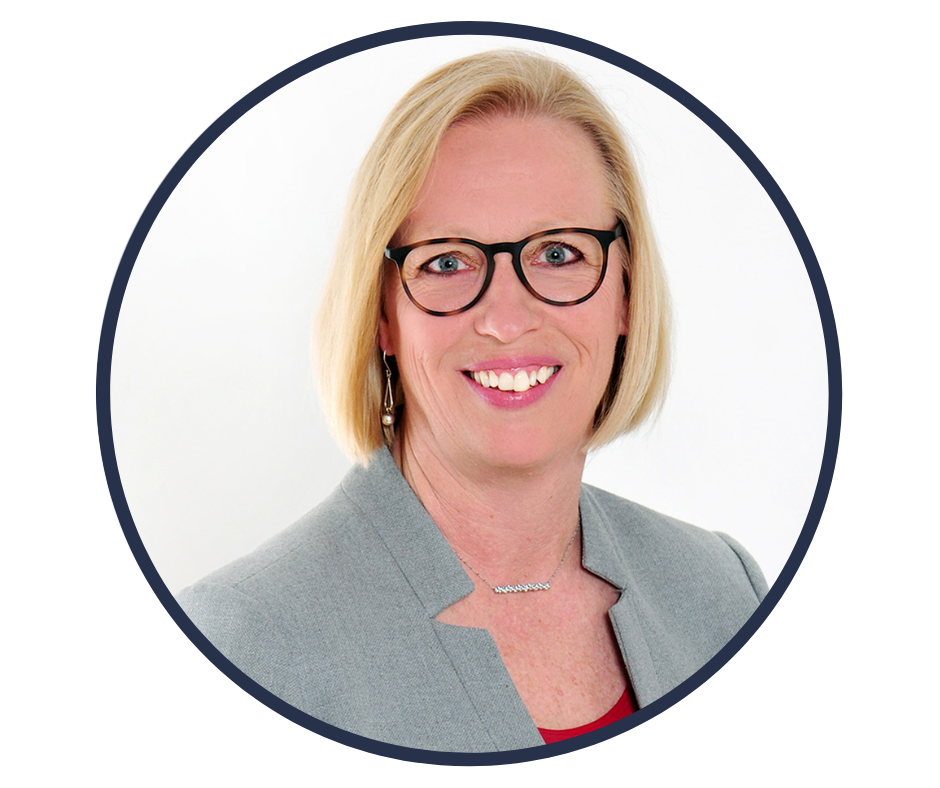
BHSc (PT), CredMDT, CCMA
Carolyn is the co-owner of Reframe Rehab, a teaching company engaged in breaking down the barriers internationally between pelvic health, orthopaedics and pain science. Carolyn has practiced in orthopaedics and pelvic health for the past 37 years. She is a McKenzie Credentialled physiotherapist (1999), certified in acupuncture (2002), and obtained a certificate in Cognitive Behavioural Therapy (CBT) in 2017.
Carolyn received the YWCA Women of Distinction award (2004) and the distinguished Education Award from the OPA (2015). Carolyn was recently awarded the Medal of Distinction from the Canadian Physiotherapy Association in 2021 for her work in pelvic health and pain science.
Carolyn has been heavily involved in post-graduate pelvic health education, research in lumbopelvic pain, speaking at numerous international conferences and writing books and chapters for the past twenty years in pelvic health, orthopaedics and pain science.

BKin, BHScPT (Pelvic Health)
Jill has been a physiotherapist since 2001, but her passion for pelvic health was born from personal experience. After years of struggling with period pain and fertility challenges due to Endometriosis, she shifted her focus to understanding and addressing the complexities of this condition. Through deep dives into pain science and Endometriosis research, Jill recognized a significant gap in education and practical support for those living with “endo.” Whether working one-on-one, leading group programs, or speaking internationally, she is dedicated to empowering people with pelvic health conditions and equipping healthcare practitioners with the knowledge needed to provide better care.
Jill is also a founding member and lead physiotherapist of Endometriosis360, an innovative interdisciplinary virtual group program designed to help individuals with Endometriosis. Together, psychology, dietitian, and physiotherapy integrate a biopsychosocial approach and evidence-based strategies to help improve people’s quality of life.
Material included in this course
-
Course Materials
-
Welcome and Slides
-
Introduction
-
Not Everyone Experiences Pain or Symptons... Why?
-
MRI For Endo
-
Surgery For Endo
-
Medications For Endo
-
Conclusion of Jill's Presentation
-
Digital Health - Predictive Screening Tool
-
Non-Pharmacological and Non-Surgical Therapies
-
Phenotypes in Endometriosis
-
Questions
-
Feedback
Patient education included in this course
-
Understanding Endometriosis
Is a certificate of completion included with this course?
Once you have completed the course, a certificate of completion (including learning hours and course information) will be generated. You can download this certificate at any time. To learn more about course certificates on Embodia please visit this guide.
This can be used for continuing education credits, depending on your professional college or association. If this course has been approved for CEUs in specific jurisdictions, it will be noted on the course page and CEU information may be added to your course certificate. Please read this guide for more information.
How can I get this course for free?
Embodia Membership gives you access to a wide range of evidence-based courses, clinical tools, and resources all in one place. As a member, this course (and many others) is included at no additional cost, helping you save time and money while staying up-to-date in your practice.
If you’re not yet a member, non-members can still access the course for a one-time fee. Joining Embodia unlocks this course plus hundreds of hours of additional education and clinical resources, making membership the most convenient and cost-effective way to continue learning.
You can learn more about membership options available on the Embodia membership pricing page.
This course has patient education. Can I share it with my patients?
Yes, patient education included in courses or resource packages on Embodia can be shared directly through the Embodia platform. A Tier 2 or 3 Membership is required to share education. These memberships include a range of other features. You can learn about patient education on Embodia here, and about memberships on Embodia here.